What Demo Mode Reveals About the Way You Really Gamble
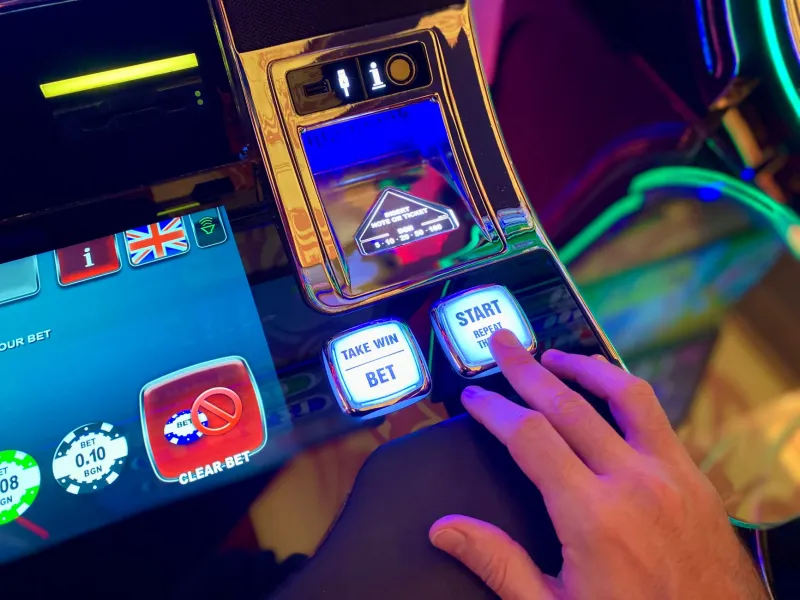
Most people fire up a free casino game thinking they're just killing time. Maybe you're testing out a new slot, getting a feel for a blackjack variant, or just curious whether that flashy new title lives up to its trailer. Totally fair. But here's the thing — while you're casually clicking away without a dollar on the line, your brain is actually running a masterclass on your own gambling behavior. You just have to know how to pay attention.
Demo mode isn't just a freebie. It's a psychological mirror.
Your Brain on Free Play (Versus Real Money)
Neuroscience has a lot to say about how risk changes decision-making. When real money enters the picture, the brain's amygdala — the part responsible for emotional responses — kicks into overdrive. Fear of loss, excitement over a near-miss, the rush of a big win: these all get amplified when actual cash is at stake. That emotional noise can seriously cloud your judgment.
In demo mode, that noise gets turned way down. You're still engaged, still making decisions, still experiencing wins and losses — but the emotional stakes are lower. And that quieter mental environment? It's actually ideal for observing how you think, not just what you decide.
Researchers who study gambling behavior have noted that players in low-stakes or no-stakes scenarios tend to make more methodical choices. They're more likely to pause, reconsider, and experiment. That's valuable data about your natural tendencies — data you simply can't access when your heart is pounding because you just watched $50 disappear in three spins.
Spotting Your Emotional Triggers in a Safe Space
One of the most underrated benefits of free play is that it lets you catch your emotional triggers before they cost you anything. Think about it: do you keep spinning after a string of losses hoping to "get even"? Do you dramatically increase your bet size after a win because you feel like you're on a roll? Do you quit early when things go well because you're afraid of giving it back?
These are all recognizable patterns — chasing losses, riding hot streaks, locking in wins out of anxiety — and they show up in demo mode just as clearly as in real-money play. The difference is that in free play, you can actually notice them without the panic of watching your balance drain.
Next time you're in a demo session, try treating it like a journaling exercise. Ask yourself: How am I feeling right now? Why did I just make that bet? Would I have done that differently if this were real money? You might be surprised by what surfaces.
The "Funny Money" Problem (And How to Work Around It)
Here's the honest flip side: free play has a well-known psychological quirk called the "funny money" effect. Because demo credits don't feel real, some players swing for the fences in ways they never would with actual cash. Max bets every spin, chasing bonus features relentlessly, treating it like a video game rather than a simulation of real gambling.
If that's how you play in demo mode, you're not exactly getting a realistic preview of your real-money habits. You're just having fun — which is perfectly valid — but you're not learning much.
The workaround is intentional play. Set a fake "session bankroll" and treat it like it's real. Decide in advance how much you'd actually be comfortable spending, then play demo mode as if that number matters. Stick to bet sizes you'd realistically use. Cash out when you'd realistically stop. This kind of disciplined simulation gives you a much more honest read on your decision-making under pressure.
Using Free Play to Test Strategies Without the Tuition Fee
Beyond the psychological insights, demo mode is genuinely one of the best classrooms available to casual US players. Want to try a new blackjack strategy you read about? Test it across 200 hands for free before you sit down at a real table. Curious whether a specific slot's volatility matches your risk tolerance? Play it through 50 bonus rounds without spending a cent.
Strategies that look great on paper don't always feel right in practice. Bankroll management systems, betting progressions, game selection logic — all of these benefit from real (well, simulated-real) repetition. Free play gives you that repetition without the tuition fee that real-money trial and error demands.
At Casino4Free, this is kind of the whole point. The "free" part isn't just about saving money — it's about creating the space to actually learn before anything meaningful is on the line.
Reading the Patterns You Leave Behind
After a free play session, take a minute to reflect on how it went. Not just whether you "won" or "lost" in demo credits, but how you behaved. A few questions worth asking:
- Did you stick to your plan? If you set a fake bankroll and blew through it in ten minutes, that's a signal.
- How did you respond to losing streaks? Frustration, denial, doubling down — these reactions don't disappear when real money shows up. They get worse.
- Did you feel bored without real stakes? That could mean you're more motivated by the financial thrill than the game itself, which is worth knowing.
- Were you more relaxed and strategic than usual? If so, you've just identified what your best-case gambling mindset looks like — and you can work toward recreating it.
None of this is about judging yourself. It's about building self-awareness, which is genuinely the most undervalued skill in casual gambling.
Free Play as Ongoing Practice, Not Just a Starting Point
A common mistake is treating demo mode as something you graduate out of. "I've learned the game, now I'm ready for real money." But experienced players often return to free play regularly — not because they don't know the games, but because they want to stay sharp, test new ideas, or simply enjoy the experience without pressure.
Think of it less like training wheels and more like a batting cage. Even professional hitters still take BP. The practice environment is different from the game, but that doesn't make it less valuable. It makes it differently valuable.
The psychological benefits of demo mode don't expire once you've figured out the rules. They're available every single session, as long as you bring enough curiosity to actually pay attention to what's happening inside your head — not just on the screen.
That's the real edge free play gives you. And it doesn't cost a thing.